This blog has moved. Please visit the new site: https://beyondthestormliving.com/
Beyond the Storm Living™️ is an Amazon Associate. I earn from qualifying purchases at no extra cost to you and may also earn from other affiliate links.

Thursday, August 14, 2025

Easy Beginner Landscape Watercolor

August 14, 2025 0 Comments

Easy Beginner Landscape Watercolor Tutorial
Sweeping Colorful Skies & Simple Silhouettes 🌅

This beginner landscape painting is all about letting the sky steal the show! With just a few colors and simple wet-on-wet blending, you'll create stunning sweeping skies while keeping the land beautifully simple with dark silhouettes. Perfect for your first landscape adventure!

🎨 What You'll Need

Essential Materials:

  • Watercolor paints: Warm colors (yellows, oranges, pinks) + cool colors (blues, purples)
  • Dark color for silhouettes: Payne's Gray, Burnt Umber, or mix your own dark
  • Watercolor paper: 140lb minimum, cold-pressed recommended

Brushes You'll Need:

  • Large wash brush (size 12-16) for sweeping skies
  • Medium round brush (size 6-8) for land details
  • Small detail brush (size 2-4) for trees and plants

Learn more about choosing the right brushes in my watercolor brushes guide.

🌈 Key Techniques

1. Sweeping Sky Blending

Work on wet paper with horizontal brush strokes, blending warm and cool colors for dramatic sky effects. The key is working quickly while the paper stays wet!

2. Simple Silhouette Technique

Once your sky is completely dry, paint simple dark shapes for land, trees, and plants. No details needed - just bold, confident silhouettes! Master these blending techniques for seamless color transitions.

Step-by-Step Landscape Painting

1.

Wet your paper -partially or completely.

2.

Start with warm colors near the horizon line - yellows and oranges. Work with horizontal sweeping motions.

3.

Blend upward with cool/blue colors - add pinks, then blues as you move toward the top of your sky.

4.

Let everything dry completely - this is crucial! Any dampness will cause your silhouettes to bleed.

5.

Paint your silhouettes with confident, simple shapes. Think rolling hills, tree clusters, and plant forms - no details needed!

💡 Pro Tips for Stunning Skies

  • Work fast on wet paper - you have about 5-10 minutes before it starts to dry
  • Use horizontal brush strokes - they mimic natural cloud formations
  • Don't overthink the silhouettes - simple shapes are more powerful than detailed ones
  • Leave some white paper in your sky for natural highlights and clouds
  • Tilt your paper slightly to help colors flow and blend naturally

🎯 Color Combinations That Work

Sunset vibes: Yellow → Orange → Pink → Purple → Deep Blue

Sunrise vibes: Pale Yellow → Peach → Rose → Soft Blue

Storm approaching: Gray-Blue → Purple → Warm Gray → Yellow highlight

Master these color blending techniques for even smoother transitions!

🌿 Simple Silhouette Ideas

  • Rolling hills - just gentle curved lines
  • Tree clusters - think cotton ball shapes on sticks
  • Tall grasses - quick vertical brush strokes
  • Distant mountains - simple triangular shapes
  • Fence posts - thin vertical lines for interest

Followed live Kolbie Blume’s demonstration/tutorial from The Pigeon Letters' free Summer Creative Retreat—such an inspiring technique to learn!

Question: What's your favorite time of day to paint in watercolor skies?

🎨 #BeginnerLandscape #WatercolorSkies #SkyBlending #LandscapePainting #BeginnerWatercolor #WatercolorTutorial #SimpleLandscape

Wednesday, August 13, 2025

Easy Neon Cat Sign in Watercolor

August 13, 2025 0 Comments
neon cat watercolor painting tutorial masking fluid gradient blending beginner guide glowing effects

Easy Neon Cat Sign in Watercolor- Step by Step
Masking Fluid & Gradient Blending Magic ✨

This playful neon cat painting is simpler than it looks! With just masking fluid, two-three brushes, and controlled wet-on-wet blending, you can create glowing effects. Perfect for beginners craving bold results.

🎨 What You'll Need

Essential Materials:

  • Masking fluid for crisp neon outlines - check my recommended supplies. Posca pen can also be used!
  • High-pigment colors (e.g., Phthalo Blue, Opera Pink for neon vibes)

Brushes You'll Need:

  • Liner brush for fine details like whiskers
  • Large wash brush (mop or alternative) for backgrounds
  • Size 4-6 brush for lifting techniques

⚡ Key Techniques

1. Lifting Paint for Glow Effects

Dab wet areas with a dry brush or paper towel to create "glow" halos around your neon signs. This lifting technique is what makes the neon effect pop!

2. Gradient Blending

Work fast! Load your brush and blend for neon fade effects - darker on the outside. Master these blending and lifting techniques for professional results.

Step-by-Step Neon Sign Painting

1.

Sketch your cat silhouette and apply masking fluid to the neon tubes. Let it dry completely before moving on.

2.

Wet the entire background and drop in darker color on the outside using wet-on-wet technique.

3.

Lift paint right on the outline using your size 4-6 brush or paper towel while the paint is still wet.

4.

Use your liner brush to create lines with a darker color parallel to the masking fluid line for added definition.

5.

Let dry completely, then carefully remove the masking fluid to reveal your crisp neon lines.

💡 Pro Tips for Neon Effects

  • High-contrast is key - Use your darkest darks against bright neon colors
  • Work in sections - Complete one neon sign at a time while paint is manageable if it is a large sign
  • Less is more with masking fluid - thin, clean lines work best
  • Practice lifting on scrap paper first to get the glow effect right

Learn more about choosing the right brushes in my watercolor brushes guide.

Followed Mako (Makoccino)'s lovely tutorial from The Pigeon Letters' free Summer Creative Retreat—such an inspiring technique to learn!

Question: What's your favorite subject for neon-style watercolor paintings?

🎨 #NeonWatercolor #MaskingFluid #GradientBlending #WatercolorCat #BeginnerWatercolor #WatercolorTutorial #NeonArt

Friday, August 8, 2025

Loose Watercolor Flower Heart (No Sketching, Just Wet-on-Wet Magic!) 🌸💖

August 08, 2025 0 Comments
wet on wet watercolor flower heart sketch free painting tutorial beginner friendly loose style

Painted this soft, flowing flower heart with no sketching—just pure play! Loved how the bright blooms faded into dreamy edges. A perfect beginner-friendly piece for anyone scared of 'perfect' lines.

The heart is painted using wet-on-wet technique, while the flowers combine both wet-on-wet and wet-on-dry techniques for beautiful texture variety.

Followed Clarice Gomes's lovely tutorial from The Pigeon Letters' free Summer Creative Retreat—such a liberating way to paint!

🎨 What You'll Need

Any colors you love will work beautifully for this piece! Depending on the size of your heart, you might need:

  • Brushes: Size 8-10 for the heart, plus size 2-4 for flower details
  • Paper: 100% cotton watercolor paper (140lb recommended)
  • Colors: Whatever makes your heart sing!

You can look through my recommended supplies to see what I use and love.

Question: Do you prefer sketch-free watercolor or guided outlines?

🎨 #LooseWatercolor #WetOnWet #NoSketchArt #BeginnerWatercolor #FlowerHeart #FreeArtTutorial

Tuesday, July 29, 2025

How to Blend Watercolors like a Pro: 5 Easy Techniques for Smooth Gradients (Beginner-Friendly Guide)

July 29, 2025 0 Comments

Ready to create smooth, professional watercolor gradients? These 5 proven blending techniques will transform your paintings from amateur to amazing. Whether you're a complete beginner or looking to refine your watercolor skills, this step-by-step guide will give you the confidence to create those dreamy blends you've been admiring.

How to Blend Watercolors like a Pro: 5 Easy Techniques for Smooth Gradients (Beginner-Friendly Guide)

Master professional watercolor blending techniques and create stunning smooth gradients in your paintings

Blending watercolors used to feel like a losing battle — harsh lines, weird streaks, and muddy patches were a regular part of my early paintings. If you've been there too, don't worry — you're not alone!

The truth is, blending is one of the most important watercolor techniques to master. Once you learn how to control it, you'll be able to create smooth transitions, beautiful gradients, and dreamy color fades with ease.

In this comprehensive watercolor guide, I'll show you exactly what watercolor blending is (and what it isn't), plus five essential techniques that will level up your painting skills fast.

🎨 Essential Watercolor Blending Supplies for Smooth Gradients

Before mastering watercolor blending techniques, having the right supplies makes all the difference. Here's what experienced watercolor artists recommend:

  • 100% Cotton Watercolor Paper – Cold-pressed, 140lb minimum for best blending results
  • Quality Round Brushes – Sizes 6, 10, and 14 for different blending areas (check out my complete Princeton brush guide for the best synthetic options)
  • Professional Watercolor Paints – Artist-grade pigments blend smoother than student-grade
  • Water Containers – Use 2-3 containers: one for rinsing dirty brushes, one for medium-clean water, and one for clean water blending
  • Natural Sponge – Perfect for creating soft, organic blending effects
  • Paper Towels – Essential for controlling water and lifting excess paint

🎨 What Is Watercolor Blending?

Watercolor blending is the fundamental technique of creating smooth transitions between colors or values in your paintings. Think soft edges, gentle gradients, and seamless shifts from dark to light that give your artwork that professional, polished look.

It's easy to confuse blending with similar terms, so let's clear that up:

  • Blending is not mixing — Mixing happens on your palette. Blending happens on the paper.
  • Blending is not shading — Shading creates depth. Blending softens edges and joins colors.
💡 Quick Tip: Blending can also be a compositional tool. Soft edges attract less attention, while hard edges pull the eye. This helps guide your viewer through your painting!

🖌️ 5 Essential Watercolor Blending Techniques for Professional Results

1. Wet-on-Dry Watercolor Blending (Pulling Out Technique)

This professional watercolor technique means applying wet paint onto dry paper — perfect for when you want soft edges with maximum control over your blending.

Try this:

  1. Paint a shape on dry paper.
  2. Rinse your brush , blot it (so it's damp, not dripping), and gently touch the edge of the painted shape.
  3. Pull the pigment outward in soft strokes to blur the edge.
  4. Repeat if needed, but don't overwork it.
🚫 Watch out: Too much water can cause unwanted blooms (those fuzzy cauliflower shapes).
💡 Pro Tip: If your paper dries too fast, switch to 100% cotton watercolor paper—it stays wet longer, making blending smoother.
Professional wet-on-dry watercolor blending technique tutorial step by step beginner guide

2. Wet-on-Wet Watercolor Blending (Let the Paint Flow Naturally)

This magical watercolor technique allows colors to merge and flow effortlessly, creating those stunning organic blends that make watercolor paintings so captivating.

Here's how:

  1. Wet the area of your paper with clean water.
  2. Load your brush with pigment and drop it in.
  3. Add another color while it's still wet and watch them blend naturally.
💡 Ideal for: Skies, backgrounds, and dreamy, organic effects.
🎯 Key Trick: Tilt your paper slightly to help colors flow together.
Smooth watercolor gradients using wet-on-wet blending method for beginners

3. Graded Wash Technique (Perfect Smooth Gradients Every Time)

Use this professional watercolor method to fade one color from intense to soft — absolutely perfect for painting realistic skies, backgrounds, and achieving those smooth gradient effects.

Steps:

  1. Start with a rich mix of color at the top.
  2. Paint in horizontal strokes.
  3. As you move down, dilute your paint slightly with water each time.
  4. Let gravity help — tilt your board if needed.
🚫 Avoid streaks: Work quickly and keep your brush wet.
Perfect graded wash watercolor technique for beginners sky painting tutorial

4. Two-Color Watercolor Blending (Seamless Color Transitions)

Master this technique to create beautiful color transitions that flow seamlessly into each other, essential for realistic watercolor painting.

Wet-on-Wet Method:

  1. Paint one color and quickly add the second before it dries.
  2. Let them merge naturally — resist the urge to over-blend!

Wet-on-Dry Method:

  1. Paint two shapes side by side.
  2. Use a clean, damp brush to soften where they meet.
🌈 Great for: Petals, skin tones, and colorful washes.
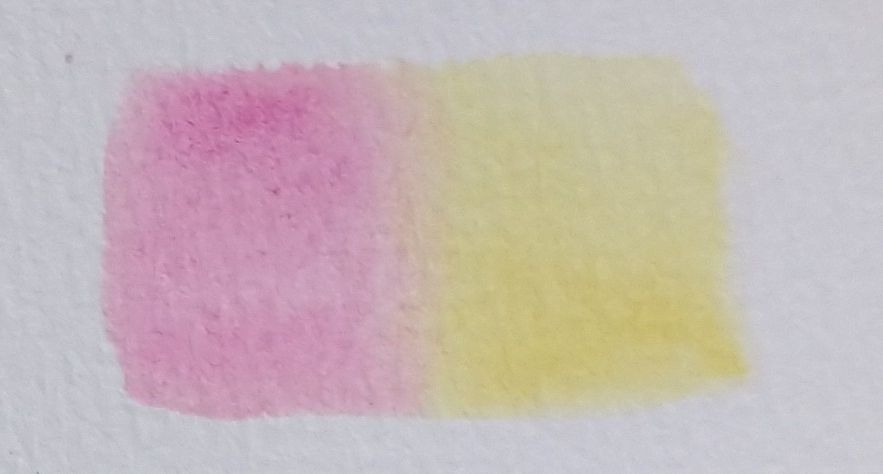
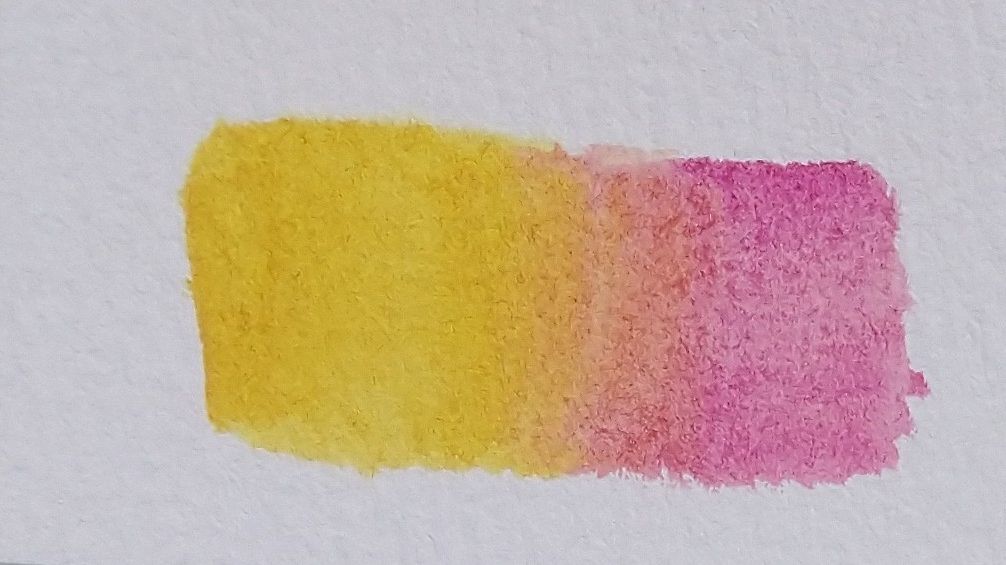
Seamless two-color watercolor blending transition Wet on Wet Seamless two-color watercolor blending transition Wet on Dry

5. Lifting Technique for Watercolor Blending (Soften Edges & Fix Mistakes)

This professional watercolor method is a blend-saver and a gentle way to fix harsh edges, lighten areas, or create soft highlights in your paintings.

How to Do It:

  1. While the paint is still damp, press a dry brush or tissue into the area.
  2. Gently lift pigment — don't scrub!
  3. For edges, dampen with a clean brush and pull the color inward.
✨ Perfect for: Fixing muddy spots or brightening highlights.
Watercolor lifting technique for fixing mistakes and creating soft edges tutorial

🛠️ Common Watercolor Blending Mistakes & Professional Fixes

Even professional watercolor artists run into blending challenges — here's how to handle them like a pro:

Mistake Quick Fix
Hard edges where you wanted soft? Re-wet the edge and gently blur with a damp brush.
Backruns or blooms? Blot gently if wet. If dry, soften with clean water and lift pigment.
Colors turned muddy? Let layers dry completely before adding more. Avoid over-blending complements (like red + green).
Paper drying too fast? Use cotton watercolor paper—it holds moisture longer.
💡 Don't stress perfection! Some of the best textures come from happy accidents.

✨ Master Watercolor Edge Control for Professional Blending Results

Professional watercolor blending is all about controlling edges. Here's how to master this essential skill:

  • Soft edges = More water, gentle brushwork
  • Hard edges = Less water, let layers dry fully
  • Lost & found edges = Alternate between soft and crisp strokes
🎨 Try this exercise: Paint a simple shape and practice softening just one side.

🙋‍♀️ Watercolor Blending FAQ – Expert Tips & Answers

Q: Are watercolor blending techniques easy to learn?
Watercolor blending can be challenging at first, but with consistent practice and the right techniques, you'll master water control and create professional-looking gradients.
Q: How do I prevent unwanted watercolor blending?
Use the wet-on-dry technique and avoid rewetting painted areas. Always let layers dry completely between applications for crisp, controlled edges.
Q: What's the best watercolor paper for smooth blending?
100% cotton watercolor paper (like Arches or Fabriano) stays wet longer and allows for smoother, more professional blending results.

🧪 Master Watercolor Blending: Practice Makes Perfect

Watercolor blending techniques might seem challenging at first, but with these 5 professional methods, you'll be creating dreamy gradients and smooth color transitions in no time. The key to mastering watercolor blending? Consistent practice and experimentation!

Now grab your quality watercolor brushes, pick a few colors, and start practicing these blending techniques. Remember — every "mistake" is just a chance to discover a new watercolor effect. Happy painting! 🌟

Wednesday, July 23, 2025

Princeton Artist Brushes: Complete Watercolor Brush Line Comparison Guide - Aqua Elite vs Neptune vs Velvetouch vs Snap vs Heritage

July 23, 2025 0 Comments
Princeton's Top 5 Synthetic Watercolor Brush Lines: Affordable Pro Performance - Which One Should You Choose? (2025)

I highly recommend Princeton’s synthetic watercolor brushes for beginners, intermediates, and pros alike. With a wide variety of lines, Princeton truly has something for every artist’s taste and painting style.

Princeton's Top 5 Synthetic Watercolor Brush Lines: Affordable Pro Performance - Which One Should You Choose? (2025)

Princeton Artist Brush Company has established itself as a leader in synthetic watercolor brush technology, offering artists high-quality alternatives to natural hair brushes at accessible price points. Their innovative use of taklon synthetic fibers, developed in collaboration with master Japanese brush-maker Naohide Takamoto, has created synthetic brushes that rival the performance of traditional sable while offering superior durability and easier maintenance.

Whether you're a beginner exploring watercolor painting or a seasoned professional seeking reliable watercolor brushes, Princeton offers several distinct brush lines, each designed to meet specific artistic needs and budgets. Understanding the differences between these synthetic watercolor brushes can help you make informed decisions about which brushes will best serve your artistic goals.

Neptune Series 4750

Neptune brushes are designed to mimic natural squirrel hair, featuring Princeton's softest synthetic fibers with exceptional water-holding capacity. Princeton gives the Neptune a stiffness rating of 1, making it the softest brush in their lineup with minimal snap and spring. The soft synthetic hair is thirsty and holds oceans of color for painting, with the synthetic hair holding just as much color as natural squirrel bristles. This makes Neptune ideal for wet-on-wet techniques and large washes where maximum water capacity is prioritized over precision control.

Aqua Elite Series 4850

The Aqua Elite series represents Princeton's premium watercolor offering, designed for artists who demand exceptional water-holding capacity and smooth color release. These brushes are very soft and hold an incredible amount of water and pigment, making them excellent for covering large areas, though they sacrifice some spring and snap for their superior flow characteristics. The series features comfortable black ergonomic handles with a grippy coating material that provides excellent control and comfort for artists, especially beneficial for those with hand sensitivity.

Velvetouch Series 3950

The Velvetouch line is Princeton's premium multi-media brush, comprised of a multiple-filament luxury synthetic blend designed for excellent color-holding capacity, precision tapering, and resilient spring. These brushes feature precision tapering that creates the thinnest, longest point of all Princeton brushes, making them exceptional for detailed work. While capable of handling oil, acrylic, watercolor, and gouache, these brushes are particularly praised by watercolor artists for their excellent water and pigment holding capabilities with nice, even release. The soft-finish wood handles provide comfort during extended painting sessions, complementing the enhanced performance of the Velvetouch filaments.

Heritage Series 4050

Heritage Series 4050 was Princeton's first synthetic sable brush offered to artists more than 25 years ago. This series features a blend of golden taklon in multiple diameters to mimic natural sable hair, providing natural snap with enhanced color holding capacity and excellent point retention. As Princeton's original synthetic sable line, Heritage represents the foundation upon which the company built its reputation for quality synthetic brushes. The Heritage line offers excellent value and performance, making it particularly well-suited for beginners learning watercolor techniques.

Snap Series

The Snap series focuses on precision and control at a budget-friendly price point, designed for artists who need crisp, defined brushstrokes without breaking the bank. These affordable watercolor brushes prioritize the "snap" characteristic that allows for sharp, controlled marks and excellent shape retention, making them ideal for detailed work and precise techniques.

Detailed Comparison Table

Feature Neptune 4750 Aqua Elite 4850 Velvetouch 3950 Heritage 4050 Snap
Softness to Snap Scale 1 (Softest) 2 3 4 5 (Most Snap)
Primary Use Watercolor (squirrel-like) Watercolor Multi-media (excels in watercolor) Watercolor Precision work
Water Capacity Exceptional (squirrel-like) Exceptional Very good Good Good
Spring/Snap Minimal (softest) Low Good Excellent Excellent
Handle Style Standard Black ergonomic coating Soft luxury wood Traditional Standard
Fiber Type Soft synthetic, synthetic version of squirrel Soft synthetic, Better Than Natural Kolinsky Multi-media synthetic, Animal friendly Golden taklon blend, original synthetic sable Precision synthetic
Price Point Mid-range Mid-range Mid-range Mid-range Budget
Best For Wet-on-wet, large color areas Large washes, wet techniques Multi-media, watercolor detail Traditional watercolor techniques Detail work, controlled strokes
Durability High High Very high Excellent High
Shape Retention Good Good Good Excellent Excellent
Color Release Smooth and even Smooth and even Versatile Natural Precise
Recommended Skill Level Intermediate to Advanced Intermediate to Advanced Intermediate to Advanced Beginner to Professional All levels
Unique Features Softest brush Maximum water capacity Thinnest, longest point Original synthetic sable Budget-friendly precision
Product Image Neptune Brushes Aqua Elite Brushes Velvetouch Brushes Heritage Brushes Snap Brushes
Check Prices Check Neptune Check Aqua Elite Check Velvetouch Check Heritage Check Snap

Choosing the Right Princeton Watercolor Brush Line

Your choice among these Princeton watercolor brush lines should depend on your painting style, preferred techniques, and budget considerations. The Neptune excels for those who want the softest brush for wet-on-wet techniques, while Aqua Elite offers maximum water capacity for flowing watercolor work. Velvetouch serves artists who work across multiple mediums and need the finest point for detailed work (like botanical), Heritage provides excellent value for beginners learning traditional watercolor techniques, and Snap offers budget-friendly precision for detailed work.

Each line represents Princeton's commitment to innovation in synthetic brush technology, ensuring that regardless of your choice, you'll receive a watercolor brush that offers superior performance compared to many natural hair alternatives while being more affordable and easier to maintain.

🎨 Ready to Start Your Watercolor Journey?

Don't let poor brushes hold back your artistic potential! Whether you're just starting out or looking to upgrade your current set, Princeton's synthetic brushes offer professional quality at beginner-friendly prices.

💬 Which Princeton brush line caught your attention? Leave a comment below and let me know which features matter most to you - maximum water capacity, finest point, or budget-friendly precision!

📌 Save this guide for future reference and share it with fellow artists who are looking for quality synthetic brushes. Your art community will thank you!